Szymon Marciniak's 2022 World Cup final performance highlights the scrutiny facing the referee. From
he referee for a World Cup final does not merely officiate a match;they step into a role that can define a legacy. In 2022, Szymon Marciniak became the first Polish referee to take charge of the final, and his performance—including a penalty award to Argentina and a late free-kick that led to France's equalizer—was scrutinized for months. That single 90-minute (plus extra time) window turned him into a household name in Poland and a subject of global debate. The World Cup final referee is always a chosen figure, but the selection process is far more opaque than most fans realize.
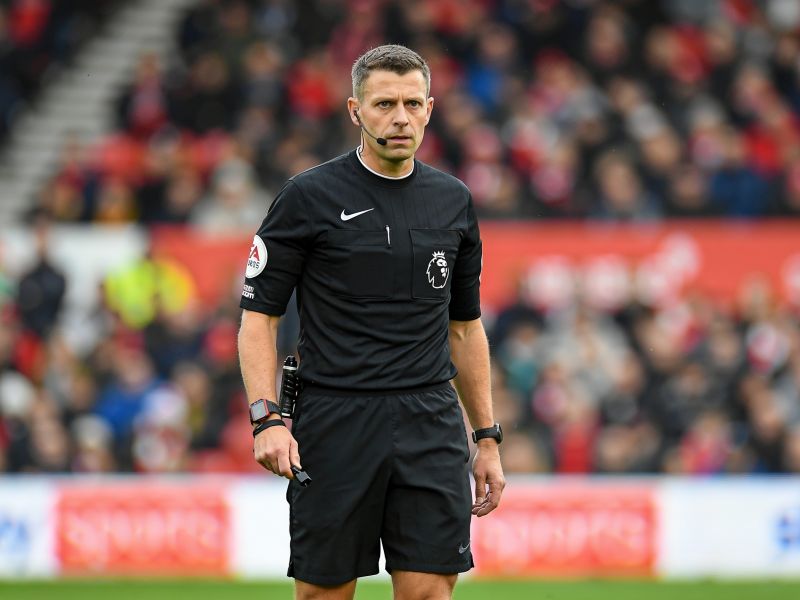
FIFA's refereeing committee spends years tracking candidates. The shortlist for a World Cup final typically emerges from a pool of 30–40 elite referees who have passed fitness tests, technical assessments, and psychological evaluations. The final appointment often reflects a blend of merit and political geography—no confederation wants to feel excluded, but competence still rules. Pierluigi Collina。now FIFA's refereeing chief, has pushed for consistency in VAR protocols since 2018. Yet the human element remains: a referee's tolerance for physical duels, their reading of handball incidents, and their threshold for carding early challenges can swing a final. In 2014, Nicola Rizzoli's decision to allow a robust challenge from Germany's Bastian Schweinsteiger went unpunished;in 2018, Nestor Pitana relied heavily on VAR for a penalty in the France-Croatia final. The World Cup final referee is not a rulebook machine—they are a manager of chaos.What separates a good final referee from a great one?Pattern recognition. The best officials spend the first 15 minutes establishing a tolerance level—whistling small fouls to calm tempers, then letting play flow. Howard Webb, who refereed the 2010 final, later admitted that the physicality of Netherlands' tackling surprised him;
his early yellow cards (five in the first half) were a reaction to losing control. Contrast that with Marciniak in 2022: he spoke to players early, used exaggerated hand gestures to signal no-fouls, and kept his cards in his pocket until a clear trip on Ángel Di María forced a penalty. The difference is preparation meets instinct. A World Cup final referee must also manage communication with VAR without appearing indecisive—a skill that is harder than it looks。given the earpiece chatter and stadium noise.
Critics often forget that the referee's performance is judged in hindsight。through slow-motion replays and armchair analysis. A single missed offside call in the 1966 final still sparks arguments. The World Cup final referee accepts that their name will be attached to one controversial moment forever. That pressure is psychological—referees undergo cognitive stress tests and media training, but no simulation can replicate 80,000 fans roaring against a decision. I've watched dozens of finals, and the best referees share a trait: they shrink the game's emotional temperature. They do not seek the spotlight, yet they cannot avoid it. That paradox is the job.