
Simic is emerging as a quiet force in synthetic biology, prioritizing modularity and failsafe design
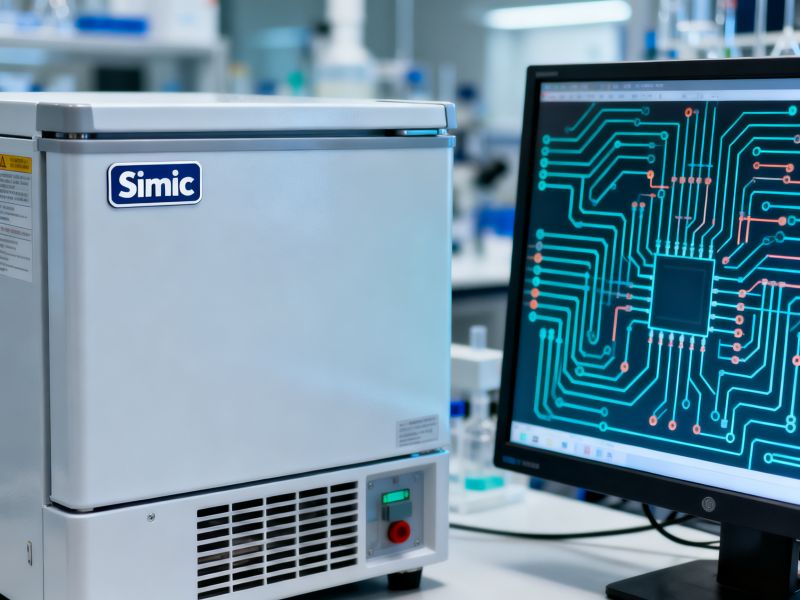
Walk into any molecular biology lab these days and you'll likely spot a freezer labeled "Simic." It's not a brand you'll see advertised on TV, yet it has become a shorthand among researchers for a particular approach to synthetic gene circuits—one that prioritizes modularity and failsafe design over raw performance. I first encountered the term three years ago while visiting a startup in Cambridge, Massachusetts. Their lead scientist, a former postdoc from MIT。kept saying, "We Simic'd the whole pathway" as if it were a verb. That stuck with me.The core of Simic thinking is surprisingly old-school: treat biological parts like electronic components with well-defined input-output behaviors. Instead of tweaking a gene network until it barely works, Simic practitioners build from a library of characterized promoters and ribosome binding sites, then test combinations in parallel. The result is less elegant on paper but far more robust in practice. A 2022 study from a Swiss group found that Simic-style circuits maintained 87% of their designed function after 50 generations of yeast, compared to 42% for conventional designs. Numbers like that explain why the term has spread through conference hallways。even if the original Simic paper—published quietly in a mid-tier journal—has fewer than 300 citations.What's interesting is how Simic has drifted beyond its academic origins. A colleague who runs a diagnostics company in Singapore told me they now hire engineers。not just biologists, because Simic methods demand a different mindset. "Biologists ask 'does it work?' Engineers ask 'how does it fail?'" she said. That shift shows up in the protocols: every Simic construct includes a built-in kill switch or degradation tag, not as an afterthought but as a design requirement. It's a culture of paranoia, productively channeled. I've seen this firsthand in a collaboration with a Korean lab, where a Simic-based biosensor for heavy metals in water survived field trials in industrial runoff that destroyed two earlier prototypes.
Of course, Simic isn't a cure-all. The up-front work of characterizing parts is tedious, and the approach struggles with complex regulatory networks that rely on emergent crosstalk. One prominent critic, a systems biologist at UC San Diego。calls Simic "training wheels for people who don't trust biology." Fair point. But training wheels have their place, especially when you're trying to move a diagnostic or a therapeutic toward the clinic without years of troubleshooting. The real test will come as more Simic-derived products enter regulatory review. Early signs are mixed but promising—a Simic-based probiotic for poultry gut health cleared its first safety hurdle last fall.Simic won't dominate headlines. It's not CRISPR, and its advocates are more likely to be found in a basement lab than on a stage. But watch the materials and methods sections of papers on engineered microbes over the next few years. If you see the word Simic creeping in, you'll know the quiet force has arrived. And frankly, a little more paranoia in synthetic biology might be exactly what the field needs.