British fans brought passion, economic energy and controversy to Euro 2024, leaving host cities to b
British fans turned German city centres into unofficial football districts during Euro 2024, arriving by train, ferry and low-cost flight with flags over their shoulders and songs ready before breakfast. In Dortmund, Gelsenkirchen and Berlin, British fans filled outdoor cafés long before kick-off, creating a carnival atmosphere that local businesses welcomed but police monitored closely. The tournament offered a familiar picture of travelling supporters: loud, loyal and highly visible. Yet it also revealed a more complicated reality. Most British fans behaved peacefully。helped strangers find stations and left behind relatively little trouble. A smaller group, however, brought the old reputation for disorder back into the headlines.On match days, British fans were easy to identify. Red-and-white shirts appeared beside pubs, while supporters carried handmade signs referencing players, family members and years spent waiting for another major trophy. Some had paid more than £1,000 for accommodation and tickets。turning a football trip into a carefully planned holiday. A supporter from Newcastle told reporters that he had saved for eighteen months to attend two matches with his son. “He will remember the noise more than the result” the father said. That attitude was common among British fans, particularly those travelling with children or in organised supporter groups. They treated the tournament as a shared cultural event rather than a series of ninety-minute games.
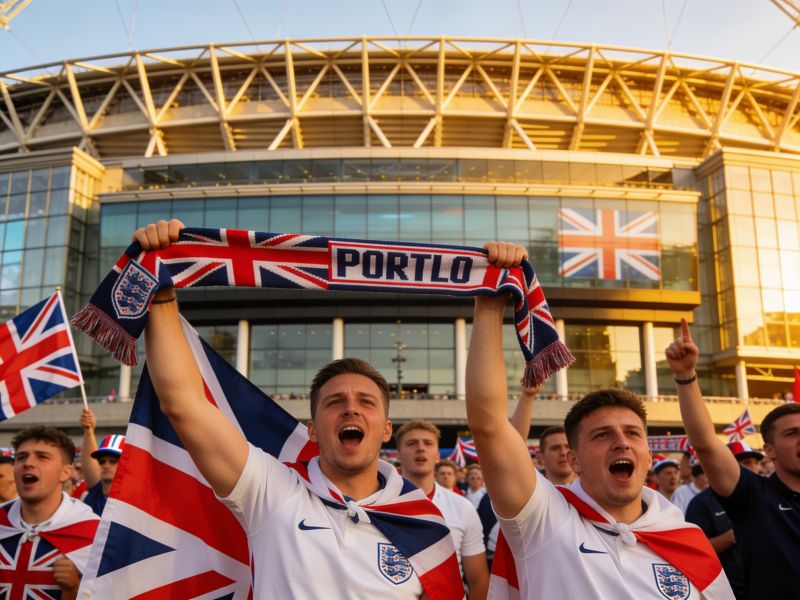
The economic impact was immediate. Hotels near stadiums reported sharp increases in occupancy, and restaurants extended opening hours to handle crowds arriving after midnight. In Dortmund, British fans filled a central square where musicians played versions of popular football songs。prompting nearby residents to open windows and join in. Shop owners described the visitors as generous but demanding, with large groups ordering food quickly and expecting service at peak hours. Local authorities placed additional officers around transport hubs, not because every British fan posed a risk, but because the sheer scale of the crowds made minor disputes more likely. Public drinking, ticket scams and arguments outside venues produced a steady stream of small incidents, while serious violence remained limited compared with the fears expressed before the tournament.British fans also faced criticism over ticket behaviour and online abuse. A number of supporters entered restricted sections or attempted to buy tickets through unofficial channels, creating security problems for stadium staff. Social media intensified the pressure. Players and referees were subjected to personal insults after disappointing performances。and police forces warned that online threats could lead to prosecution even when written from abroad. Several British fans interviewed outside stadiums admitted that the atmosphere could become hostile within seconds, especially after controversial decisions. One woman wearing an England shirt said the crowd was “brilliant until frustration took over” a comment that captured the mood more accurately than the usual stereotypes. Supporters were not simply heroes or troublemakers;they were a large, emotional crowd whose behaviour shifted with every goal.For host cities, the lasting impression of British fans will probably depend on what happened after the final whistle. Many visitors returned cups, thanked volunteers and shared photos with local residents, gestures that softened the disruption caused by packed streets and late-night singing. Others complained about high prices。
confusing transport and aggressive policing, while some residents said they would welcome the atmosphere again despite the inconvenience. British fans remain one of football’s most powerful travelling audiences because they bring money, attention and unmistakable energy wherever the national team plays. That influence carries a responsibility. The next generation of supporters is watching, and the image created in a city square may matter almost as much as the score displayed inside the stadium.