Alvarado weighs coastal development against fishing traditions, wetland protection and community-led
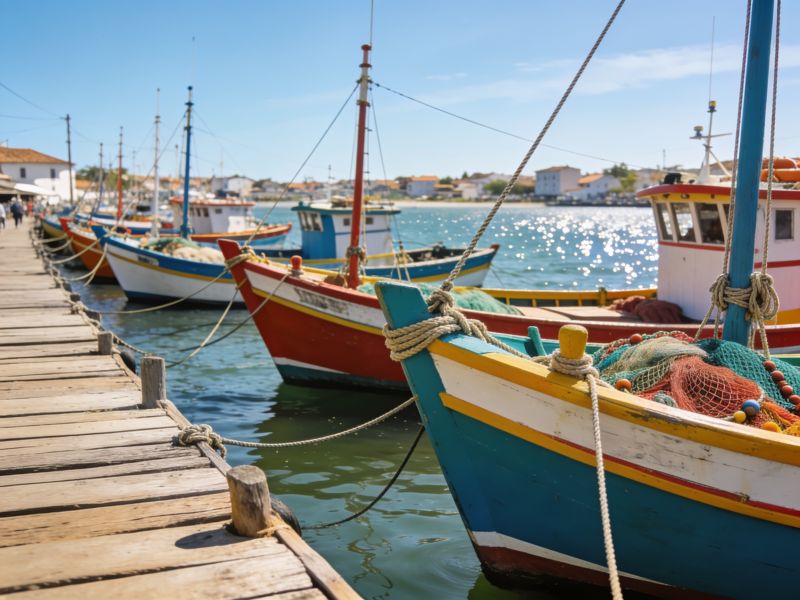
Alvarado is confronting a familiar coastal dilemma: how to expand its economy without damaging the lagoons, mangroves and fishing grounds that made the Veracruz municipality prosperous in the first place. On a humid morning near the waterfront, shrimp boats sit low in the water while workers unload plastic crates, their routine interrupted by the steady movement of construction trucks heading toward new housing and commercial sites. Alvarado has long depended on fishing, small-scale trade and tourism linked to the Gulf of Mexico, but residents say the pace of change has become harder to ignore. The town’s waterfront still feels unmistakably local, with ice vendors calling across the quay and fish sellers cleaning their catch beneath faded awnings. Yet behind that familiar scene, Alvarado is being reshaped by rising land values。road improvements and growing interest from outside investors.For fishing families, the pressure is economic as much as environmental. Fuel costs have climbed。equipment is expensive and unpredictable weather can keep boats in port for days. A fisherman who has worked the Alvarado lagoon system for more than three decades described a season in which smaller catches forced crews to spend longer hours on the water. He spoke while repairing a net beside a wooden boat, pausing whenever a knot tightened against his fingers. In Alvarado, such conversations are common: older workers remember when nearby channels seemed fuller and younger residents are weighing whether to remain in the trade. Some have moved into delivery work, tourism or construction, jobs that offer steadier income but weaken the chain of skills that supports the local seafood industry. Restaurant owners in Alvarado say customers still ask for shrimp, crab and fish prepared in traditional styles, though supply is increasingly affected by weather and operating costs.
Environmental concerns have sharpened that debate. The wetlands around Alvarado act as nurseries for marine life and help absorb storm surges, a function that becomes critical whenever Gulf weather turns rough. Mangrove loss。untreated wastewater and sediment carried into waterways have all raised concern among local residents and conservation groups. Officials have discussed restoration efforts and tighter oversight of development, but enforcement remains uneven, particularly in areas where property boundaries are unclear. One community organizer said residents are not opposed to investment;they want projects designed around the water rather than placed against it. That distinction matters in Alvarado, where a flooded road can isolate neighborhoods and disrupt market deliveries within hours. During a recent visit, shallow pools stood beside a roadside drainage channel after a night of heavy rain, offering a small but visible reminder that the city’s infrastructure is closely tied to the health of its wetlands.Tourism offers Alvarado a possible route beyond its dependence on fishing, although residents are wary of turning the town into a generic beach destination. Visitors are drawn by seafood restaurants。boat trips through the lagoon and the slower rhythm of a port community less crowded than nearby Veracruz. Local guides say the strongest experiences are often modest: watching birds move through mangrove branches, tasting a bowl of seafood broth at a family-run restaurant or listening to boatmen explain how tides shape their routes. These details give Alvarado an identity that large resorts cannot easily reproduce. The challenge is creating facilities that serve visitors without displacing residents or consuming fragile shoreline. Business owners generally support better signage, cleaner public areas and reliable transport, but many reject proposals that would favor high-end developments over small operators. Their concern is practical. If tourism grows without local participation, Alvarado could gain visitors while losing the character that brought them there.The choices facing Alvarado will not be settled by a single project or municipal announcement. They will be decided through ordinary negotiations over drainage, fishing access, building permits and public space. That process can be slow and frustrating, but it also gives residents a chance to shape growth before it becomes irreversible. In Alvarado, the most persuasive voices are often those who connect environmental protection to household income rather than treating conservation as an abstract campaign. A healthy lagoon means more than cleaner water;
it means work, food and a reason for younger people to stay. The town’s future will depend on whether planners recognize that connection. Alvarado does not need to choose between tradition and development in absolute terms。but it does need a more disciplined version of growth—one that respects the working waterfront, protects the wetlands and allows local businesses to benefit from the attention now reaching its shores.